Designing Water-Wise Homes: 6 New Strategies for Today’s Architects
According to the Environmental Protection Agency (EPA), the average American family uses more than 300 gallons of water every day. As populations grow and demand on freshwater resources increases, this level of consumption is becoming unsustainable. So, how can architects design homes and neighborhoods that dramatically reduce water use?
In this post, we’ll explore 6 of the latest design strategies and construction technologies leading the way in water conservation:
Smart Fixtures & Real-Time Water Monitoring
Greywater Recovery & Reuse Systems
Low-Water Landscaping & Outdoor Systems
High-Efficiency Appliances & Mechanical Systems
Architectural Form & Material Innovation
Policy, Incentives, & the Role of the Architect
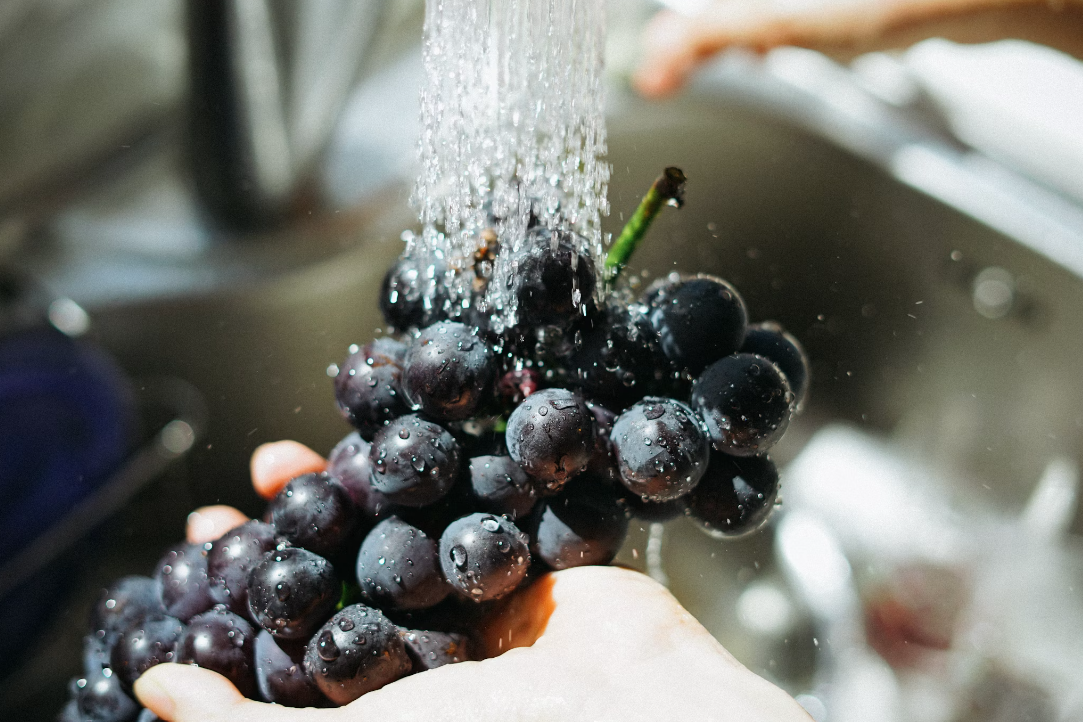
Photo by Manki Kim on Unsplash
1. Smart Fixtures & Real-Time Water Monitoring
The rise of smart home ecosystems has made intelligent water management both accessible and highly effective.
Smart Faucets & Showers: Touchless and metered fixtures reduce accidental overuse and ensure flow rates stay within efficient thresholds. Many models now integrate with mobile apps, giving residents insights into daily water patterns and opportunities to adjust behavior.
Leak Detection Systems: A single leak can waste thousands of gallons per year. Smart monitoring systems placed at strategic points within a home detect unusual flow patterns and automatically shut off water to prevent excessive loss and structural damage.
Whole-Home Water Dashboards: Architects can specify monitoring systems that integrate with HVAC and energy dashboards, giving residents a centralized, real-time view of their home’s resource consumption.
2. Greywater Recovery & Reuse Systems
As demand for resilient design grows, greywater systems have become increasingly common in residential projects.
Greywater Recycling: Water from sinks, showers, and laundry can be captured and treated for reuse in:
Toilet flushing
Subsurface landscape irrigation
Cooling systems
Decorative water features
This approach can reduce drinking water consumption by 20-30%.
Integrated Plumbing Design: Architects and engineers can coordinate early in the process to route greywater-generating fixtures strategically, simplifying the flow to collection tanks and reducing installation costs.
3. Low-Water Landscaping & Outdoor Systems
Outdoor water use can make up a substantial portion of residential consumption in some regions, but thoughtful landscape strategies can significantly reduce this demand.
Xeriscaping & Native Planting: Using drought-resistant or native species complements the local ecosystem and drastically reduces irrigation needs.
Rainwater Harvesting Systems: Roof catchment systems—paired with cisterns, filtration, and drip irrigation—can significantly reduce reliance on municipal water during peak seasons.
Permeable Hardscapes: Permeable pavers, gravel beds, and bioswales promote groundwater recharge and reduce stormwater runoff pressure on infrastructure.
4. High-Efficiency Appliances & Mechanical Systems
The specification of efficient systems is one of the easiest ways you can immediately reduce a home's water footprint.
Energy Star & WaterSense Appliances: Dishwashers, washing machines, faucets, and toilets certified through these programs can save thousands of gallons annually.
Heat Pump Water Heaters: These systems not only conserve energy but often integrate with smart technology to learn usage patterns and limit unnecessary water heating cycles.
On-Demand Recirculation Pumps: These systems deliver hot water quickly—reducing wait time and eliminating millions of wasted gallons over a home's lifespan.
5. Architectural Form & Material Innovation
There are several structural and material choices that can help make your designs more water-efficient.
Roof Forms That Support Water Capture: Steep pitches, butterfly roofs, or integrated gutters can optimize rainwater harvesting efficiency—especially valuable in drought-prone regions.
Water-Conserving Building Materials: New materials, such as permeable concretes or cladding that promotes evaporative cooling, can help manage water use outdoors.
Modular & Compact Layouts: Compact plumbing clusters reduce pipe length, meaning less water lost while waiting for hot water at the fixture.
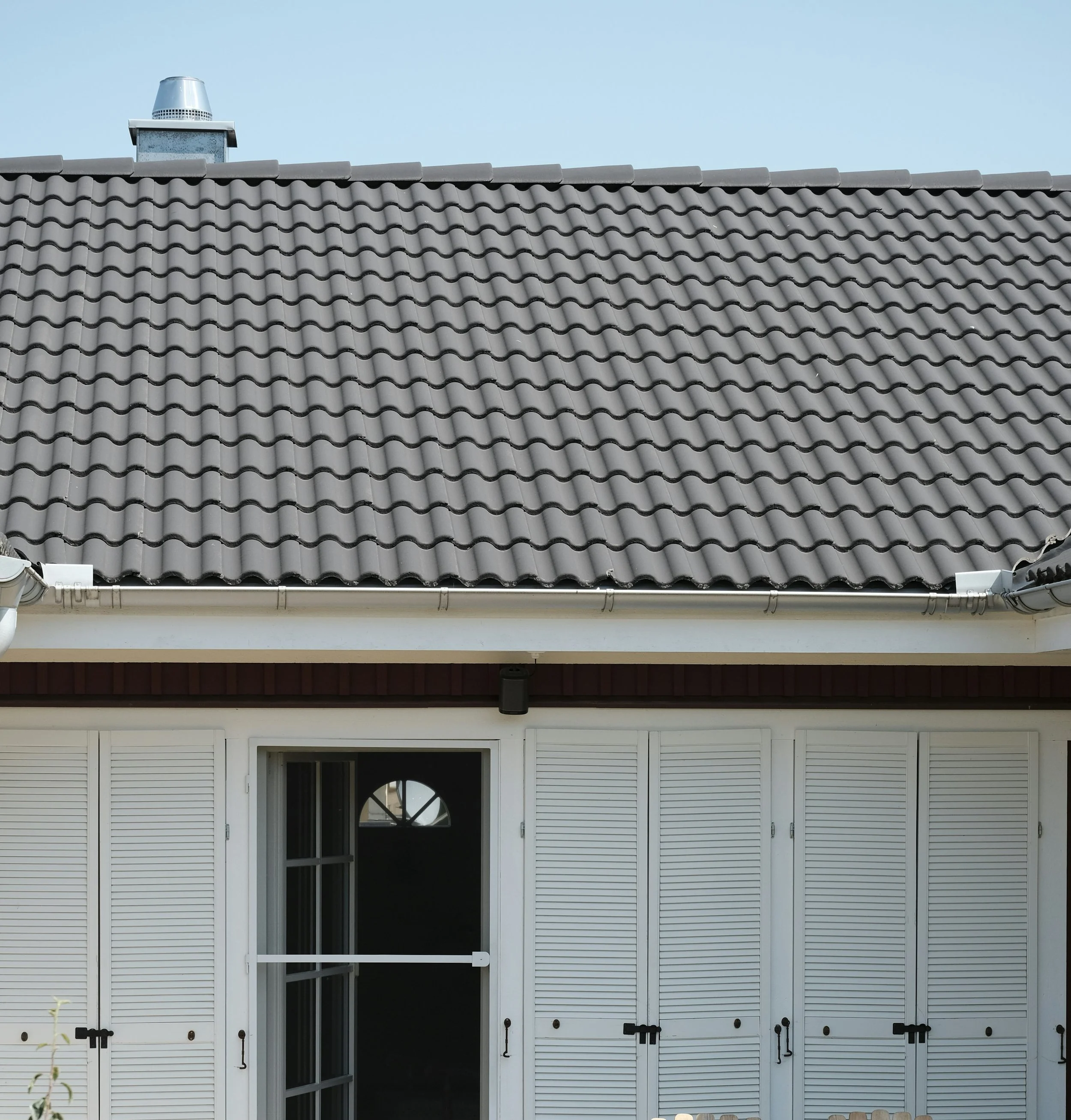
Photo by Georg D Unsplash
6. Policy, Incentives, & the Role of the Architect
Architects like you are uniquely positioned not just to design water-efficient homes but to drive adoption of sustainable technologies at scale. Many jurisdictions now provide:
Rebates for WaterSense fixtures
Credits for rainwater harvesting
Fast-track permitting for green building
Understanding these incentives allows you to present compelling cost-saving opportunities to clients.
Looking Ahead: A Water-Resilient Future
The future of water conservation lies where smart technology meets sustainable design. In this future, homes don’t just use less water, they use it more intelligently. By integrating advanced, water-efficient systems and thoughtful design strategies, you can help build a more reliable and resilient water supply for generations to come.
Looking for products that support your next water-efficient design? Find what you need on CADdetails.com.
Author: CADdetails
Cover image by Randy Fath on Unsplash