All in Specification Tips
Good playground CAD and BIM models prevent that kind of late surprise by putting accurate dimensions, clearances, and installation details into your drawings from the start. Here’s what specifiers and landscape architects should check in manufacturer files, and how to use them from concept through construction documents.
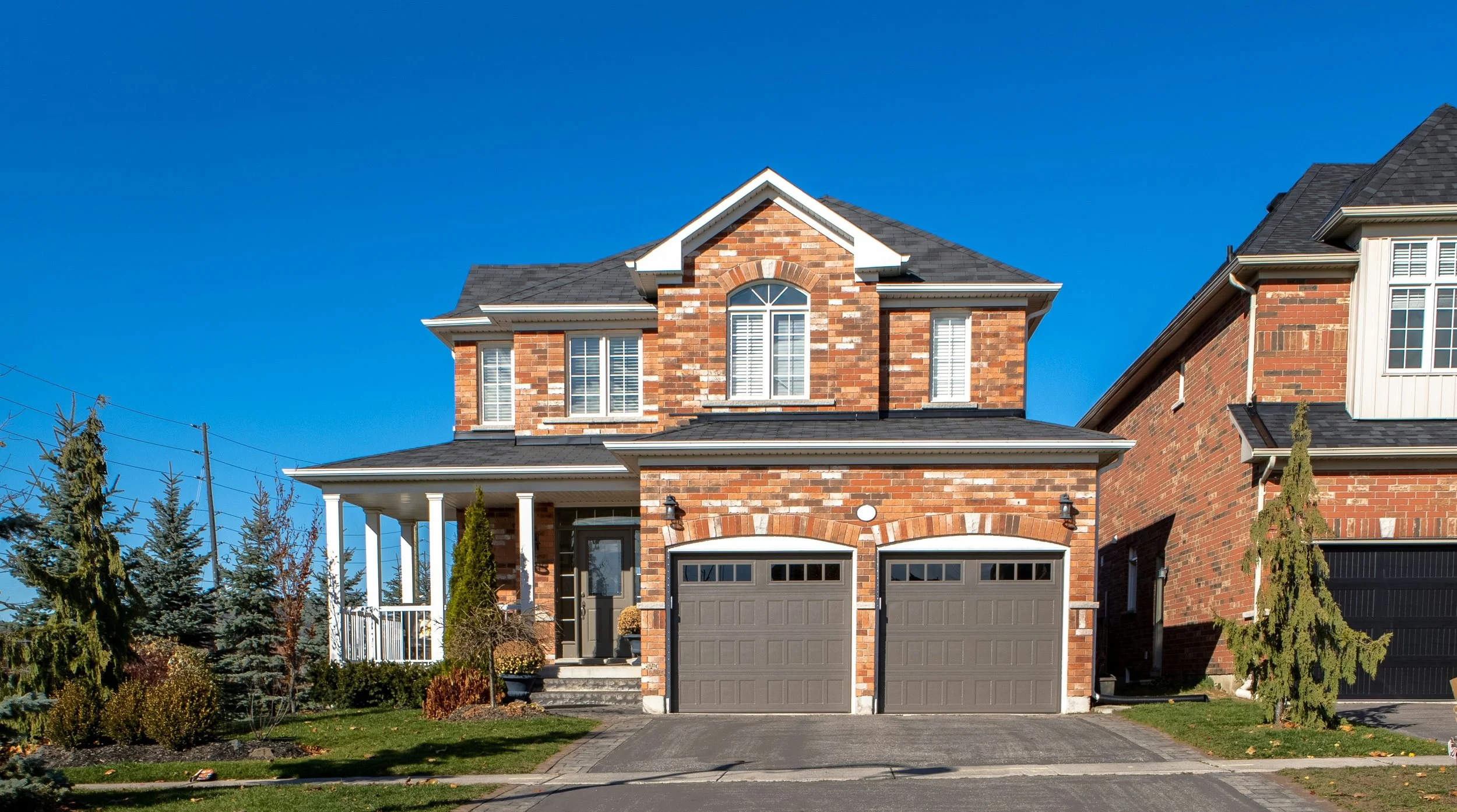
From structural loading and thermal performance to fire ratings and hardware—a practical guide for architects, engineers, and specifiers navigating garage door selection.
Specifying FF&E (Furniture, Fixtures, and Equipment) has always carried a degree of uncertainty. A manufacturer's catalog provides dimensions and finish options. A static product photograph shows one angle under controlled lighting. A showroom visit is time-consuming and logistically impractical for every product on a specification list. For decades, design professionals have worked around these limitations, accepting that the gap between what a product looks like in a brochure and how it performs in context is simply part of the process.
Process heating systems are a critical component of many industrial operations. Industries such as chemical manufacturing, oil refining, food processing, and power generation rely on heating equipment to maintain precise temperatures throughout their production processes. Whether it involves heating liquids stored in tanks, maintaining the flow properties of petroleum products, or supporting temperature-sensitive chemical reactions, these systems must deliver consistent and reliable thermal performance to ensure stable operations and product quality.
By leveraging CAD, BIM, and 3D fastener files, you can anticipate performance under real-world conditions and ensure that you build safer, more resilient structures.