How To Navigate Increased Construction Material & Labor Costs
If it feels like every project budget you draft today is out of date by the time it reaches a client, you're not imagining it. Material and labor costs have been on a volatile climb, and for architects, engineers, and other design professionals, that volatility is reshaping how you specify, detail, and communicate design intent from the earliest stages of a project.
Here's what's driving the pressure, and practical ways you can adapt without compromising design quality or client trust.
The Numbers Behind the Headlines
Why This Matters More Than It Used To
6 Strategies for Navigating the New Normal
The Numbers Behind the Headlines
On the materials side, U.S. analysts report average material cost increases of approximately 5 percent year over year, with sharper gains of up to 30% in major commodities like steel and aluminum (Construction Today).
On the labor side, the shortage is structural, not cyclical. The Associated Builders and Contractors estimates the industry needs 349,000 net new workers in 2026 and 456,000 in 2027, with roughly 1.9 million additional workers needed over the next decade to keep pace with demand. Compounding that, 92 percent of construction firms report difficulty hiring qualified hourly craft workers, per AGC's most recent workforce survey (Remarcable).
Source: Associated Builders and Contractors (ABC)
Put together: you’re working in an environment where both the materials you specify and the trades that install them are more expensive and less predictable than they were even two years ago.
Why This Matters More Than It Used To
Historically, cost volatility was treated as a downstream problem, something contractors and estimators absorbed after the drawings were done. That model doesn't hold anymore. When material prices can shift double digits between schematic design and construction documents, and when labor shortages stretch install timelines and drive up crew costs, the decisions made at the design table have a much more direct line to a project's final price tag and schedule.
Clients are also more cost-aware than ever. They're asking harder questions earlier, and they expect their design team to have answers—not just aesthetic ones, but practical, budget-literate ones.
6 Strategies for Navigating the New Normal
1. Build flexibility into your specifications.
Rigid, single-source specs are riskier than ever. Where possible, specify performance criteria and provide 2–3 acceptable product alternates rather than locking into one manufacturer or one material. This gives contractors room to substitute based on real-time availability and pricing without triggering a redesign or a change order fight.
2. Front-load cost conversations, not just design conversations.
Bring a rough cost sensitivity discussion into early design phases, even informally. Flagging that "this facade system has seen 20%+ volatility this year" during schematic design is far less painful than discovering it during bid.
3. Lean on manufacturer and product data early.
Accurate, up-to-date product information (specs, availability, lead times, regional sourcing) helps you make substitution-friendly decisions before they become urgent. This is exactly where having reliable, current CAD, BIM, 3D, and spec content pays off: it lets you evaluate alternates quickly without waiting on a rep callback.
4. Design for labor efficiency, not just material efficiency.
With skilled trades in short supply, details that require less specialized on-site labor (prefabricated assemblies, modular components, simplified connections) are becoming a genuine value-add, not just a construction-phase convenience. Consider labor intensity as a design variable alongside cost and aesthetics.
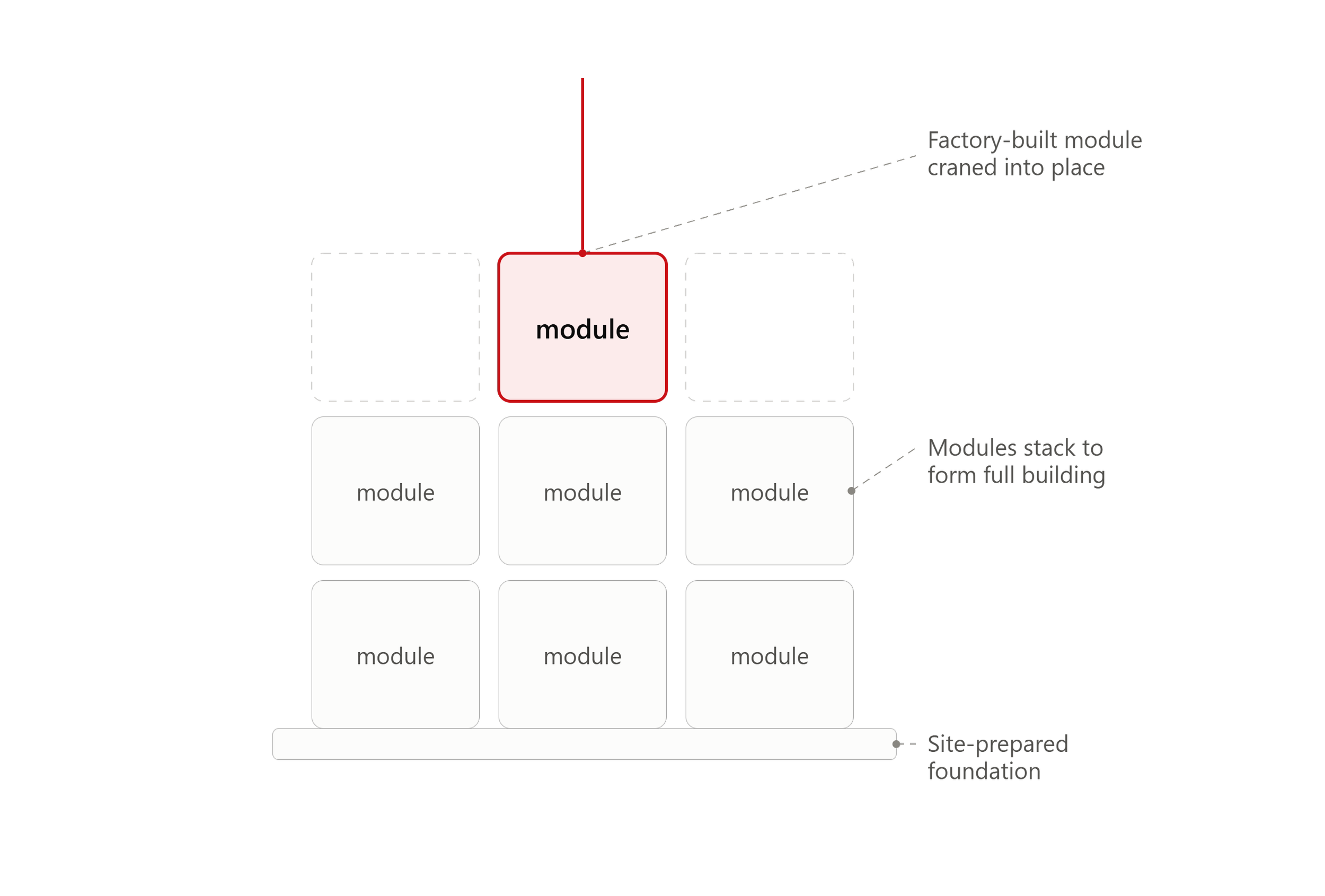
Find modular products on CADdetails→
5. Revisit contract language around escalation.
While this sits more squarely in the contractor's and owner's court, design professionals who understand escalation clauses and cost-adjustment mechanisms can better advise clients and avoid being caught in the middle of disputes over who absorbs a mid-project price jump.
6. Communicate proactively, not reactively.
Clients rarely fault a design team for market conditions. They do fault a design team that didn't warn them. A short, clear note in your proposal or early deliverables about current market volatility sets expectations and builds trust before costs become a surprise.
The Bigger Picture
Material and labor cost pressure isn't a temporary blip to wait out. It reflects deeper structural shifts in trade policy, workforce demographics, and global supply chains. Firms that build flexibility, transparency, and up-to-date product knowledge into their process now will be far better positioned than those hoping conditions simply revert to "normal."
Staying current on product data, availability, and alternates isn't just a specification convenience anymore—it's a competitive advantage. One of the simplest ways to build flexibility into your specs is having fast access to accurate, up-to-date product data, and that's exactly what CADdetails is built for.
Search thousands of manufacturer-verified building products by category, material, or performance criteria, and pull ready-to-use CAD drawings, BIM models, 3D models, and specifications in seconds. When a material spikes in cost or a supply chain hiccup forces a substitution, you can compare alternates and drop a new product into your drawings without starting from scratch.
Browse CADdetails to keep your projects moving no matter what materials or labor markets do next.
Author: CADdetails
Cover photo by D R on Unsplash