CADdetails rebuilt its search to understand project intent and industry terminology, not just keywords so that you can find and specify the right products faster.
All in Digital Transformation
CADdetails rebuilt its search to understand project intent and industry terminology, not just keywords so that you can find and specify the right products faster.
Specifying FF&E (Furniture, Fixtures, and Equipment) has always carried a degree of uncertainty. A manufacturer's catalog provides dimensions and finish options. A static product photograph shows one angle under controlled lighting. A showroom visit is time-consuming and logistically impractical for every product on a specification list. For decades, design professionals have worked around these limitations, accepting that the gap between what a product looks like in a brochure and how it performs in context is simply part of the process.
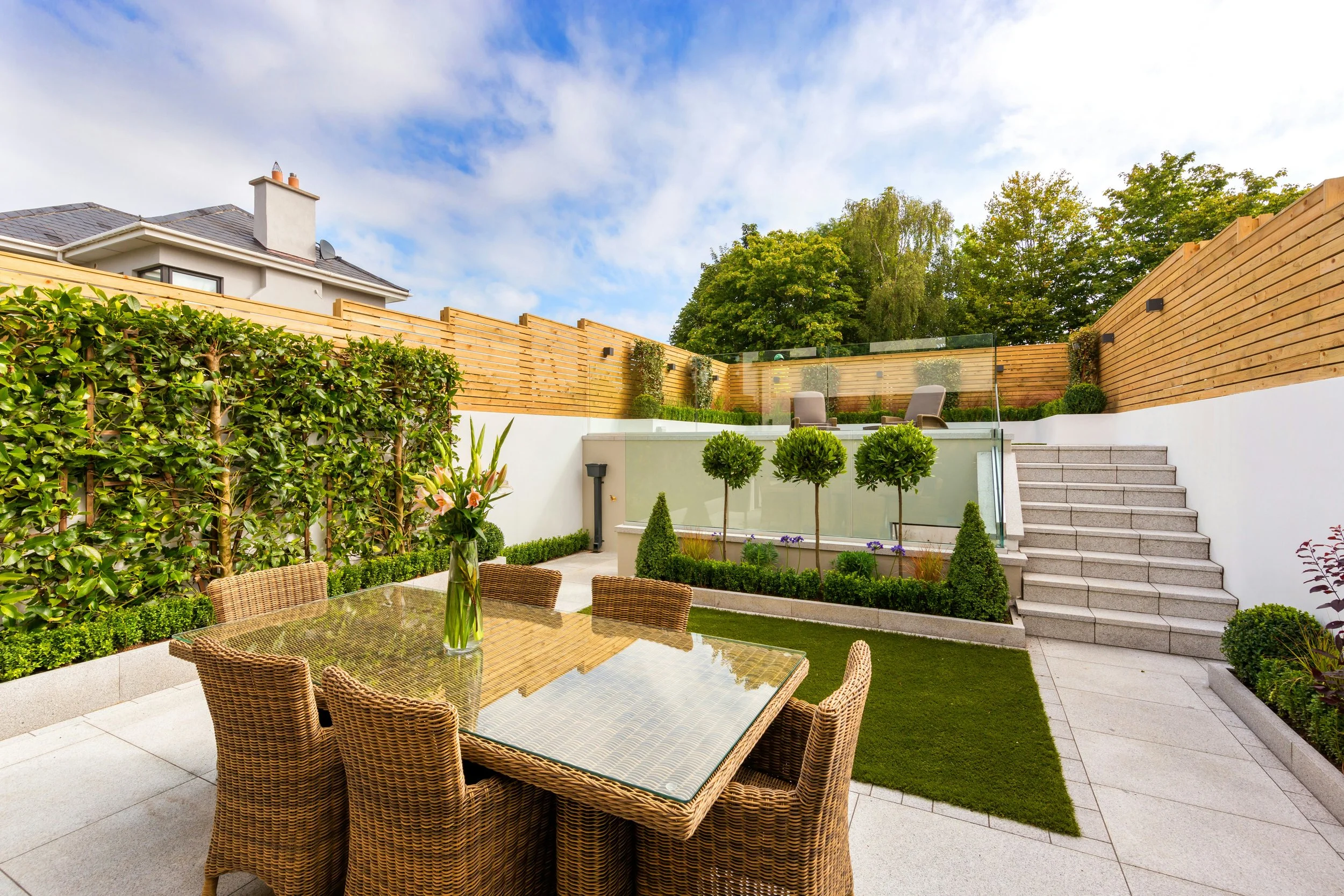
This post looks at what that shift involves practically, where exterior visualization delivers the most value for AEC (Architecture, Engineering, and Construction) teams, and why certain project types—rooftop schemes in particular—demand a different approach to what most standard rendering briefs provide.
Looking for a sneak peek into the future of design and construction? In a recent webinar by the National Institute of Building Sciences (NIBS), industry leaders Amy Marks, Nancy Novak, and Sandra Benson discussed how AI, automation, and offsite manufacturing are reshaping the built environment.
In this blog, we’ll explore several use cases of 3D printing with eco-friendly materials, highlighting innovative applications that are changing the game by promoting environmentally conscious practices in the design and construction industry.
Construction zones are notorious for their chaos—a whirlwind of people, equipment, and moving parts. With heavy machinery, elevated work areas, and a fast-paced schedule, there’s always a level of risk. But, as we know, safety is non-negotiable. We're all counting on a safe trip home—what steps can we take to guarantee it? Imagine being able to keep a watchful eye on your construction site 24/7—that's exactly what state-of-the-art surveillance tech makes possible. Safety has never been more within reach! These innovative solutions are breaking down barriers to make protection more accessible and affordable for everyone.
By leveraging CAD, BIM, and 3D fastener files, you can anticipate performance under real-world conditions and ensure that you build safer, more resilient structures.
In the architecture industry, success doesn’t just come from what you build—it also comes from who you know. Whether you're sourcing new clients, seeking project partners, or staying ahead of industry trends, strong professional connections are vital to long-term growth.
We’ve put together a list of the top tools you need based on what experienced architects are actually using on a day-to-day basis. From large commercial projects to custom residential builds, these solutions help you move faster, work smarter, and stay aligned with your team and overall project goals.